
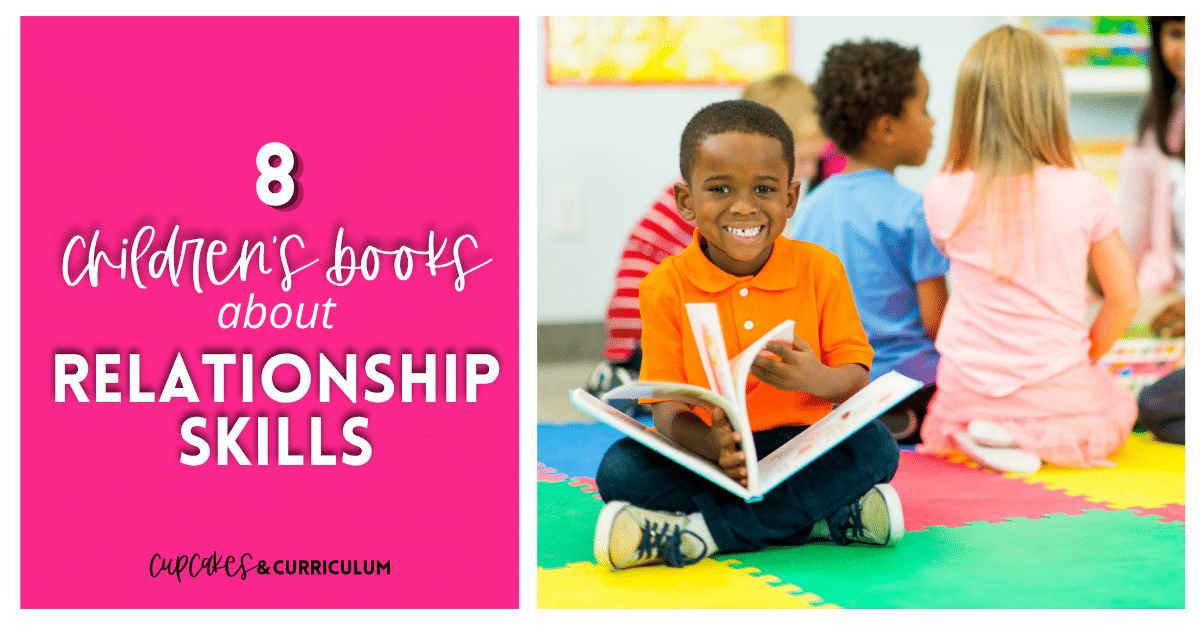
Relationship skills is one of the five core competencies in the CASEL social-emotional learning framework. It covers how your students communicate, resolve conflict, work with people who are different from them, and speak up when they need help. In other words, most of what you spend your day refereeing.
You can teach these skills directly, but lectures about “active listening” rarely stick with an eight-year-old. Stories do. A character who learns to apologize, share, or speak up gives kids a model they can actually picture and reference later, when something similar pops up at their own table.
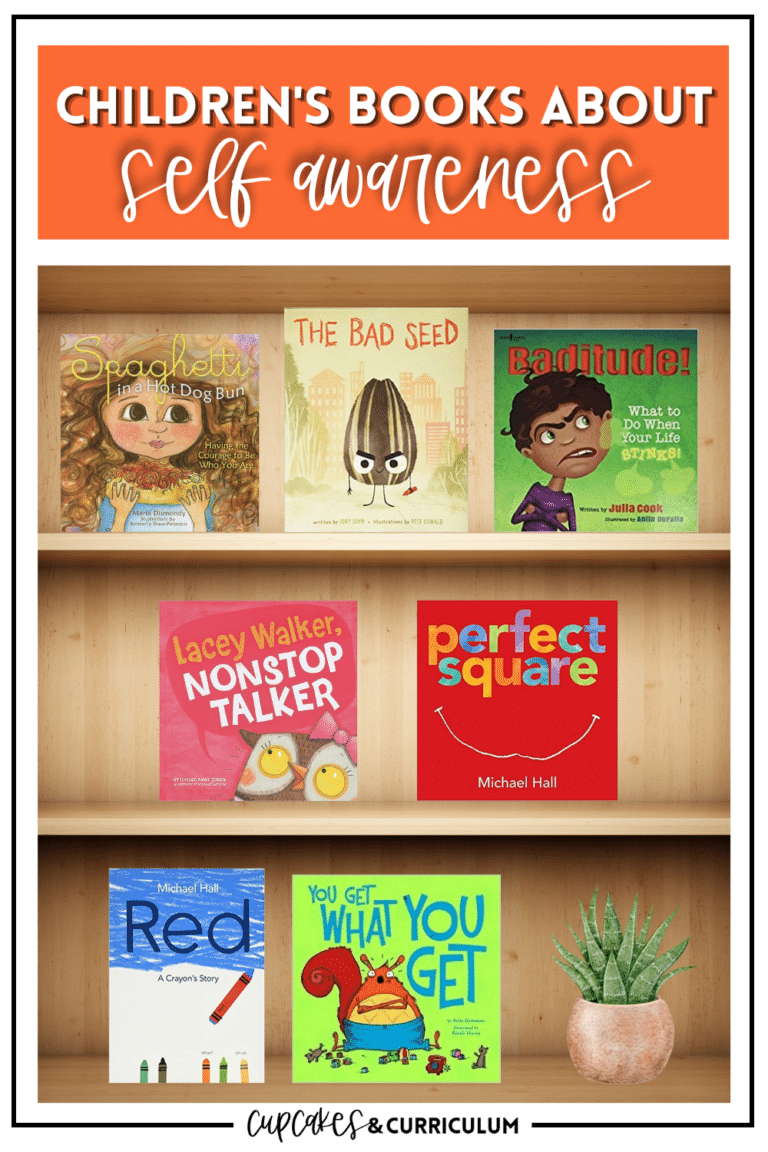
If you’re working through the full SEL read-aloud series, these pair naturally with my posts on children’s books about self-awareness and children’s books about self-management.
Each of these is a one-sitting read-aloud, K-5 friendly, and pairs well with a short conversation or a longer SEL lesson. After every summary you’ll find a quick “Try this” prompt you can use the same day, even if you have nothing else prepped.

Amelia smiles at her neighbor Mrs. Higgins. Mrs. Higgins, in a better mood, calls her grandson. He passes the kindness along. By the end of the book, that one smile has traveled around the world and circled back to Amelia. It is the clearest illustration of cause and effect I have ever found in a picture book. Pull it out when you want kids to see that “just one person” really can shift a room.
Try this: After reading, ask, “What is one small thing you could do tomorrow that might still matter to someone next month?” Let three or four students share.
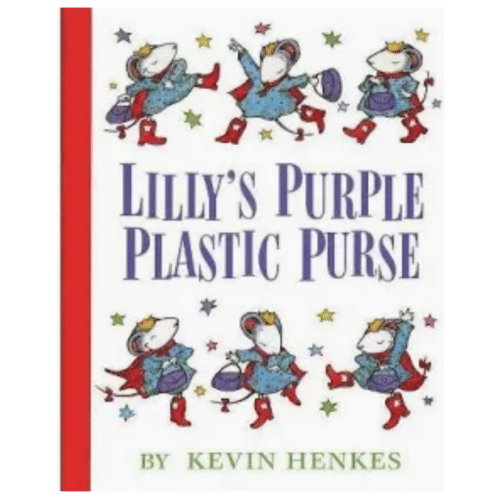
Lilly adores her teacher, Mr. Slinger, until he takes away the purple plastic purse she has been showing off in class. She is furious. She writes a mean note, slips it into his bag, and instantly regrets it. The apology she works through is the heart of the book. It is not “I’m sorry,” move on. It is “here is what I did, here is why it was wrong, here is how I’ll make it right.”
This one is gold for the kid in your class who treats “sorry” like a magic reset button.
Try this: Before you read, ask students to define a “real” apology. Read the book. Ask the question again afterward and see what changes.

Augie sees the world differently because the world sees him differently. Kids stare. They whisper. He copes by imagining a planet where being a “wonder” is normal. The author wrote the picture book version after the Wonder novel and movie took off, so older students may already know the character, and younger readers can still pick it up cold.
This book lands hardest in the first weeks of school, when classroom community is still forming and kids are sizing each other up.
Try this: Give each student a small paper “lens” or pair of glasses cutouts. Ask them to write or draw one thing that makes them a wonder. Post them around the room as a back-to-school display.

Pig has more toys than any dog could ever play with, but the moment his friend Trevor asks for one, Pig loses it. He gathers every toy into a giant pile and tries to climb on top to keep them all to himself. It does not end well.
The book is funny enough that even the kids who roll their eyes at “sharing lessons” will laugh, and that is the whole trick. Once they are laughing at Pig, they are open to the real conversation about why his behavior backfired.
Try this: Ask, “What did Pig actually want? Was it really the toys?” This usually unlocks a great discussion about why kids hoard things they do not even want.
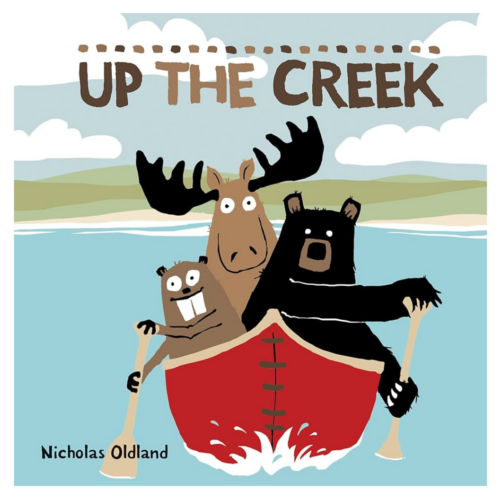
A bear, a moose, and a beaver take a canoe trip together. They start out fine. Then they start disagreeing about every small decision: which way to paddle, where to stop, whose turn it is to steer. By sundown they are stranded on a rock, miserable, and not speaking to each other.
This is the book to pull out before any group project. Read it Monday morning, assign teams that afternoon, and you have a shared reference point for the rest of the week. When two kids start arguing over who gets to record answers, you can just ask, “Are we on the rock right now?”
Try this: After reading, have small groups list two ways the friends could have disagreed without ending up stranded.

Brian is the kid nobody picks for groups. The illustrations make it visual: he is drawn in gray while every other character is in color. When a new student named Justin arrives, Brian is the first to make him feel welcome, and slowly Brian himself starts filling in with color too.
Every classroom has a Brian. This book gives your loud, social kids the language to notice him, and gives the Brian in your class a sense that he is not alone.
Try this: Without naming names, ask students to silently think of someone at school who might feel invisible. Then ask, “What is one thing you could do this week so that person feels seen?” Do not ask them to share out loud. The thinking is the lesson.

Same Pig from the sharing book, different problem. Pig has to win. At everything. He cheats to make sure it happens, then brags about it after. Eventually he loses in a big, embarrassing way and has to face the cost of his behavior.
This is the indoor-recess book, the one you want ready when the Connect Four tournament turns ugly.
Try this: Make a quick T-chart on the board: “Good sport” on one side, “Sore loser” on the other. After reading, have students fill in specific behaviors they saw in the book and could spot in real life.
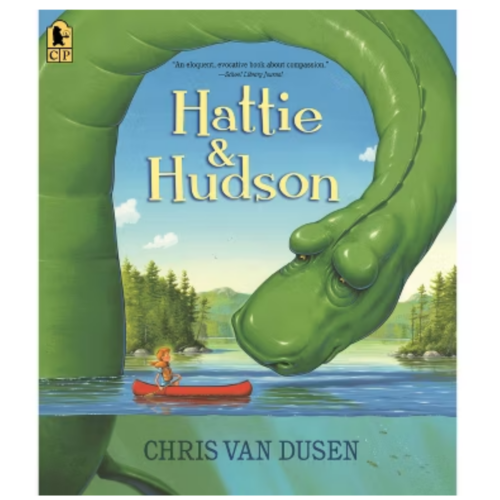
Hattie spots a giant lake creature while exploring in her canoe. The town panics and forms a mob to chase it off. Hattie is the only one who looks the creature in the eye, sees that he is gentle, and refuses to stay quiet while everyone else assumes the worst.
This is your upstander versus bystander book, and one of the rare picture books that handles “brave kid stands up to the crowd” without being preachy.
Try this: Define “bystander” and “upstander” before reading. Afterward, ask, “Where in this story could things have gone wrong if Hattie had stayed quiet?” Then the harder version: “Where in your own day this week could you be more like Hattie?”
The simple version: read the book, then talk about it for five to ten minutes. That is the whole lesson, and it is enough.
A few tips that have made these read-alouds land harder for me:
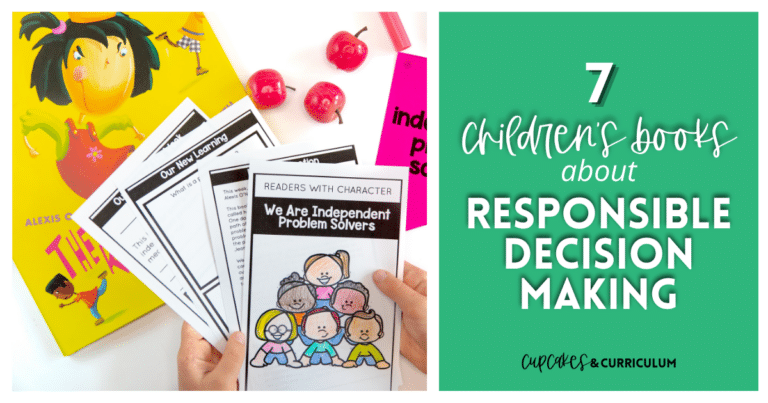
For more on this, my post on building strong relationships in the classroom walks through how mentor texts fit into the bigger picture of classroom community. And if responsible decision making keeps coming up in your class discussions, children’s books about responsible decision making covers eight more titles in this same series.
Each of the books above has a matching unit in my Readers With Character collection on TpT. Every unit is a 15-minute lesson built around the book, with discussion prompts, a student activity, and a quick check for understanding. They are designed to drop into your day, not add to your prep.
If you want to start with one, I recommend the How to Apologize unit, paired with Lilly’s Purple Plastic Purse. It is the one teachers tell me they reach for again and again all year.