
Responsible decision making is one of the five core competencies in the CASEL social-emotional learning framework. It covers how students think through choices, weigh consequences, and decide what to do when an adult isn’t standing right next to them. In a K-5 classroom, that adds up to most of the small moments that make up a school day.
The hard part is that responsible decision making cannot really be taught through a worksheet or a poster. Kids learn it by watching characters in stories make choices and live with the consequences. They learn it by talking through “what would you do?” out loud. They learn it by having language for the trade-offs.
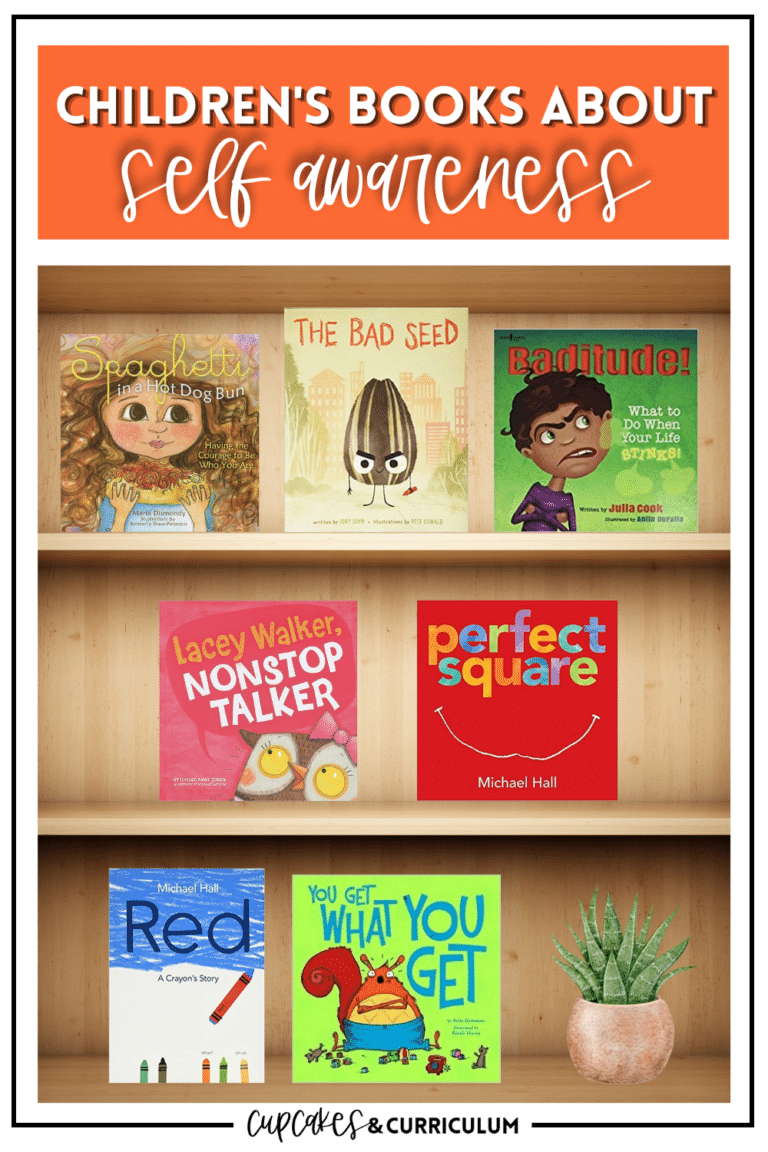
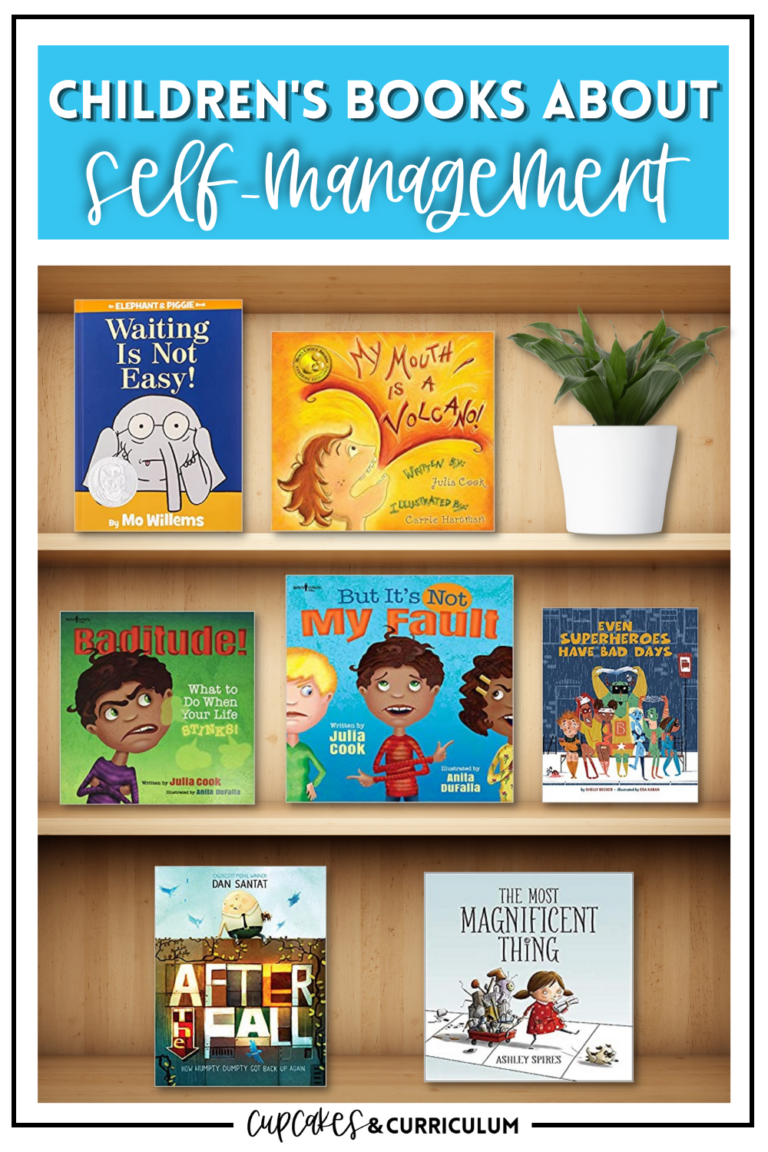
That’s why the books below are so useful. Read them as standalone lessons, or stack them with the rest of the SEL series: children’s books about self-awareness, children’s books about self-management, and children’s books about relationship skills to build a full SEL read-aloud library across all five CASEL competencies.
Each of these is a one-sitting read-aloud, K-5 friendly, and pairs with a quick discussion or a longer SEL lesson. After every summary you’ll find a “Try this” prompt you can use the same day, even if you have nothing else prepped.
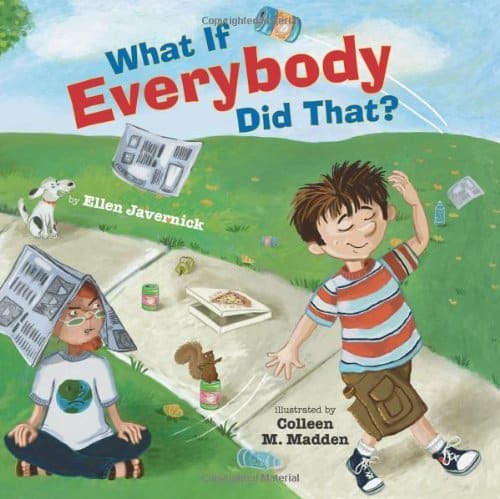
A boy drops one soda can out of the car window and the answer he gets back is “what if everybody did that?” The book runs through scenario after scenario where a small individual choice scales into a big collective consequence. It’s the book to read when your class is starting to act like rules are optional.
The illustrations are old-school and a little cartoony, which 1st and 2nd graders love. By 4th grade some kids will roll their eyes at it, but the conversation it sparks still works.
Try this: After reading, ask students to come up with one rule at school that might seem small. Then ask, “What if everybody broke that rule today?” The discussion goes places you would not expect.
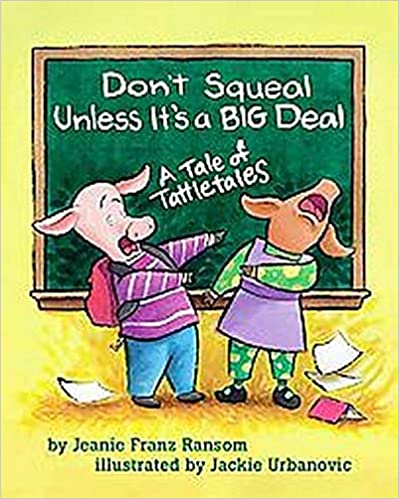
A barnyard of pigs cannot stop tattling on each other. Mrs. McNeal, their teacher, finally lays out the difference between squealing and reporting, and the kids start figuring out which is which.
Tattling is the problem every K-2 teacher fights all year, and this book gives you a shared vocabulary the whole class can reference. Once you have read it together, you can stop responding to “Mrs. ___, he’s looking at me!” with a sigh and start responding with “Is that a tattle or a report?”
Try this: Make a quick T-chart on the board. Tattle on one side, report on the other. After reading, have students suggest situations and the class votes which side it goes on. Save the chart and refer back all year.
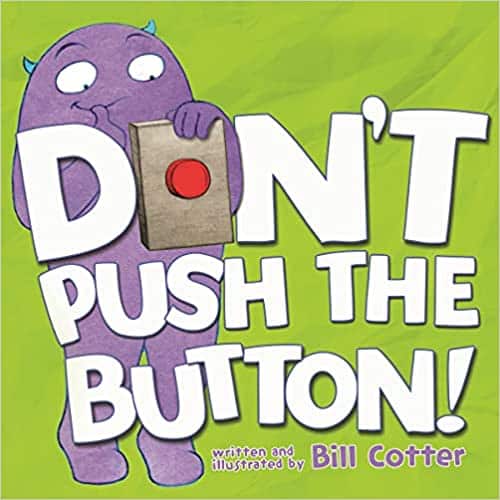
A purple monster named Larry tells the reader, very clearly, not to push the big red button on the page. Then he gradually wonders what would happen if you DID push it. The kids cannot help themselves. They push it.
It is a silly, interactive book that lands a real point: directions exist for reasons, even when the reasons are not obvious in the moment. This is a great early-elementary read because it lets students experience the temptation to ignore directions in a low-stakes way before you discuss it.
Try this: After reading, ask students to think of a time they did not follow directions and something went wrong. Don’t ask them to share aloud (some moments are private). Just give them 60 seconds to think. Then ask, “If you could go back, what would you do differently?” That’s the lesson.
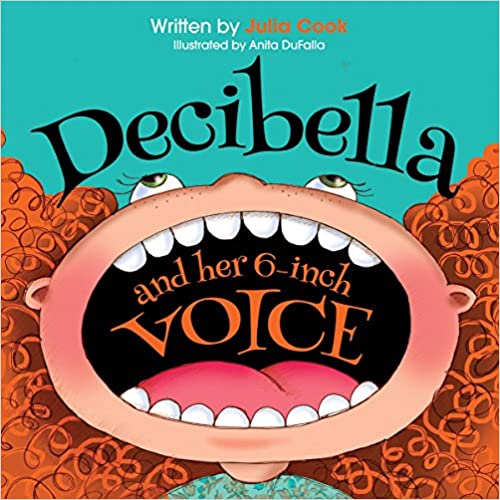
Isabella is loud. All the time. Her family nicknames her Decibella because she shouts when she could whisper. A teacher introduces her to the five voice levels (whisper, 6-inch voice, table talk, strong speaker, and outside voice), and Isabella starts learning when each one fits.
This book pays for itself the first day you read it. You can use the five voice levels as classroom shorthand for the rest of the year. “Table talk, please” lands faster than “use your inside voice” because the kids actually have a reference.
Try this: Make a five-level voice chart for your classroom wall. Reference it during transitions, group work, and read-aloud time. By October, students will start self-correcting before you say anything.
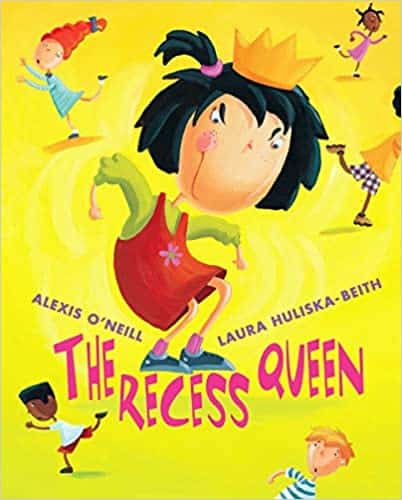
Mean Jean rules the playground. She pushes, she shoves, she calls names. Then a tiny new kid named Katie Sue arrives and, instead of running to a teacher, she invites Mean Jean to play. By the end of the book, Mean Jean isn’t so mean anymore.
The illustrations are funny enough that even older elementary kids stay engaged. The bigger lesson is harder than it sounds: sometimes the responsible decision is to try solving a problem yourself before bringing it to an adult. That’s a tricky line to teach, especially when you also want kids reporting safety issues. The discussion afterward is where the real work happens.
Try this: After reading, ask students to think of a recess problem they could try to solve themselves. Then ask what the SAFETY line is, the kind of problem that always needs an adult. Make sure both lists end up on the board.
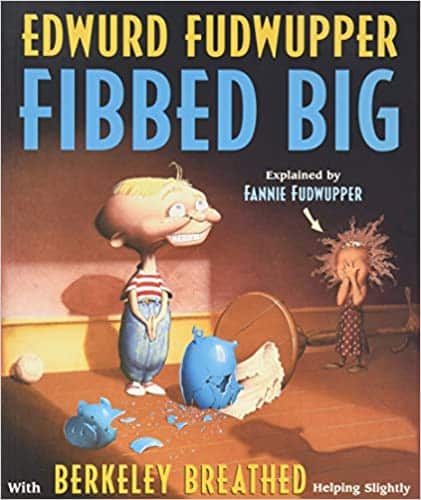
Edwurd tells fibs constantly. Big ones, small ones, ridiculous ones. Eventually he tells a fib so big it nearly destroys his whole town, and his little sister has to help fix it. The book is from the same author as Bloom County and the illustrations are wild, which kids respond to.
Read this book when honesty has been an issue with your class but you don’t want to lecture. The story does the lecturing for you, and the over-the-top consequences make the point land harder than any straight talk would.
Try this: Pair this book with the next one (Being Frank). Read this one first to establish “fibbing is dishonest.” Read Being Frank a few days later to add “and honesty has to come with kindness.” The two books together are a much stronger lesson than either alone.
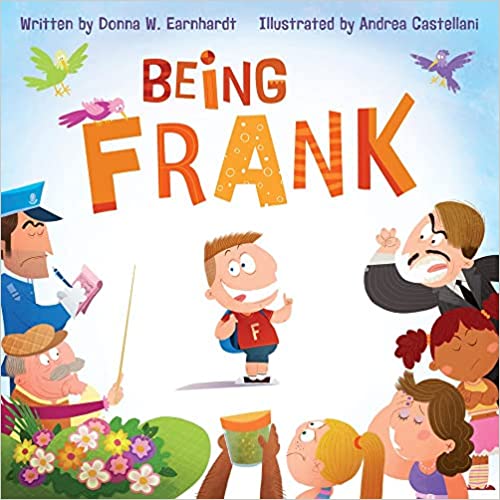
Frank tells the truth. Always. About everything. He tells his teacher her breath smells, he tells his neighbor her dog is annoying, he tells his sister her drawing is bad. He’s honest, but he’s also alone, because nobody wants to be around him.
His grandfather teaches him that honesty needs to come “with a little sugar.” This book fixes the unintended consequence of teaching honesty: kids who weaponize the truth. Every classroom has a Frank. This book gives them the framework to keep being honest while also being someone people want to talk to.
Try this: After reading, role-play a scene with the class. One student says something honest but harsh. Have other students suggest how to say the same thing more kindly without lying about it. The “honest with sugar” framing sticks for the rest of the year.
The simple version: read the book, then talk about it for 5-10 minutes. That’s the whole lesson, and it’s enough.
A few principles that have made these read-alouds work harder:
For more on building a sustainable SEL routine in your classroom, see my post on why SEL matters in K-5 classrooms.
Each of the seven books above has a matching unit in my Readers With Character collection on TpT. Every unit is a 15-minute lesson built around the book, with discussion prompts, a student activity, and a quick check for understanding. They are designed to drop into your day, not add to your prep.
If you want to start with one, the Tattling vs. Reporting unit (paired with Don’t Squeal Unless It’s a Big Deal) is the one teachers tell me they reach for again and again, especially in K-2.
Responsible decision making is the SEL competency that shows up everywhere: line behavior, recess conflicts, group work, the choice to follow directions when nobody’s watching. The right book at the right moment can do more than a year of behavior reminders.
For more SEL ideas you can use this week, check out my post on SEL activities for making friends, or browse the rest of the CASEL competency series linked at the top of this post.